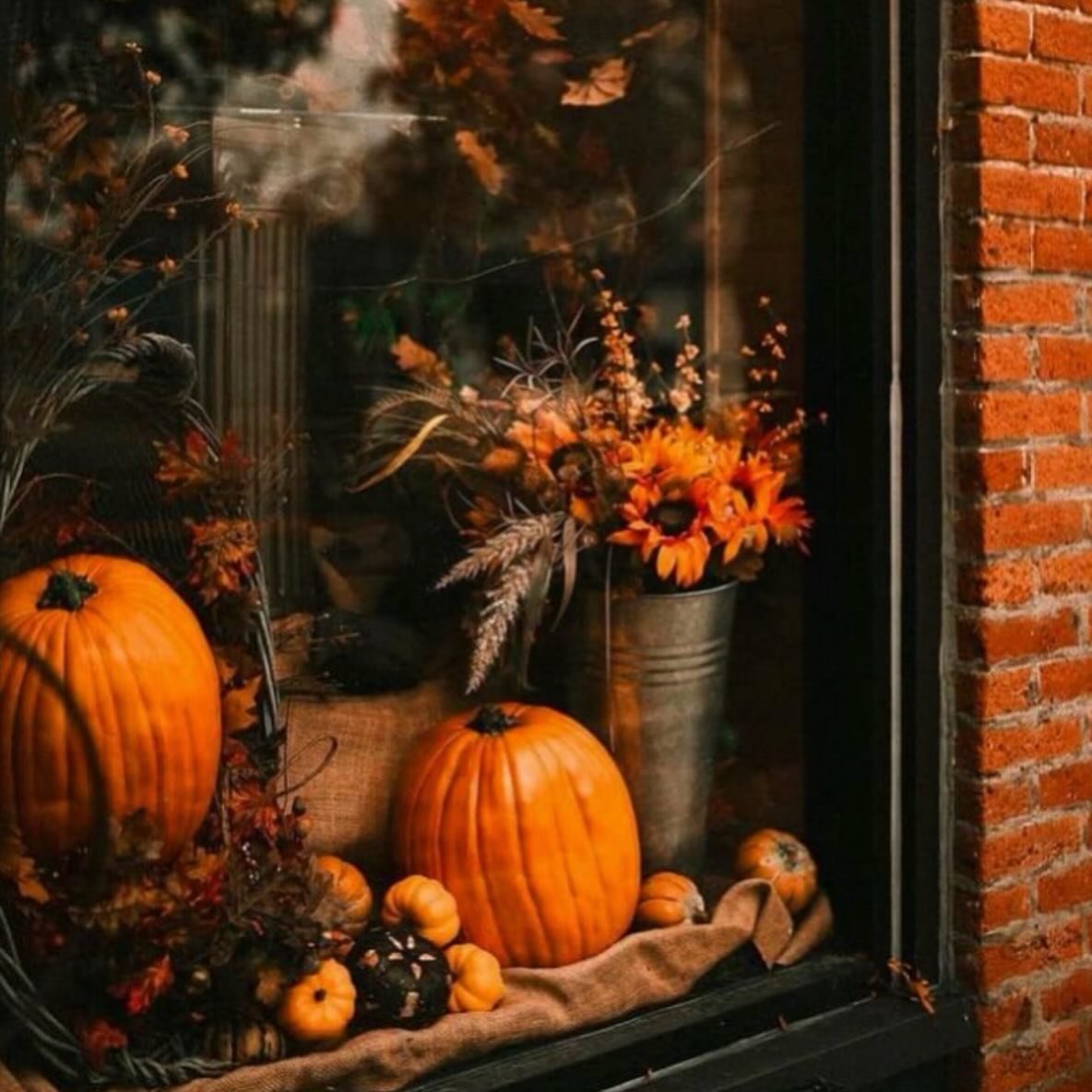
Brewing up Magic with the Kitchen Witch!
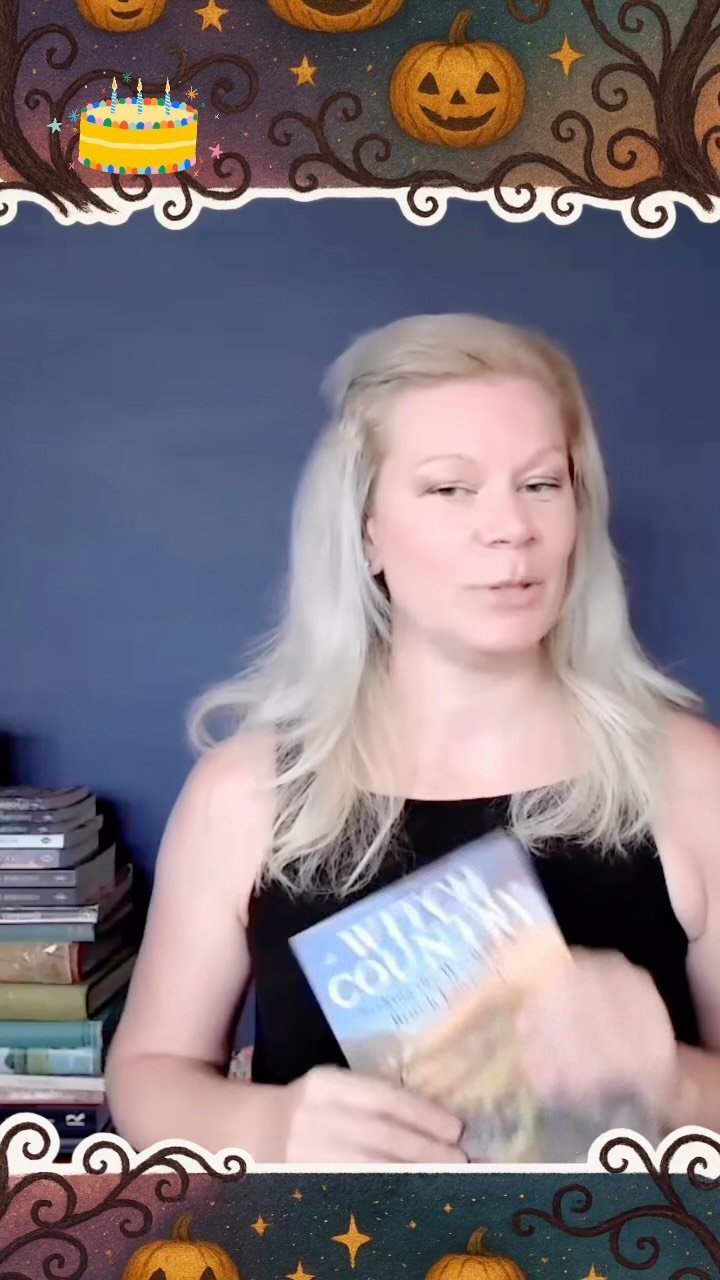
The kitchen has always been a place of magic. A pot on the stove becomes a cauldron, herbs hang to dry, and raw ingredients are transformed into something nourishing. Kitchen Witch is part folklore collection, part celebration of domestic craft, and part love letter to the women throughout history who found power in the everyday.
Drawn from old stories and herbals, it reveals how deeply food, fable, and the figure of the witch are entwined. This book invites you into that world.
Voted Coziest Book of 2022 by the All Things Cozy Podcast, and cherished by readers who keep it close at hand on the kitchen shelf.
Order from Womancraftpublishing.com for signed paperback copies; they ship worldwide. You can buy paperback and ebooks from any of the usual online book retailers. But you can also ask your local indie bookshop to order it in!
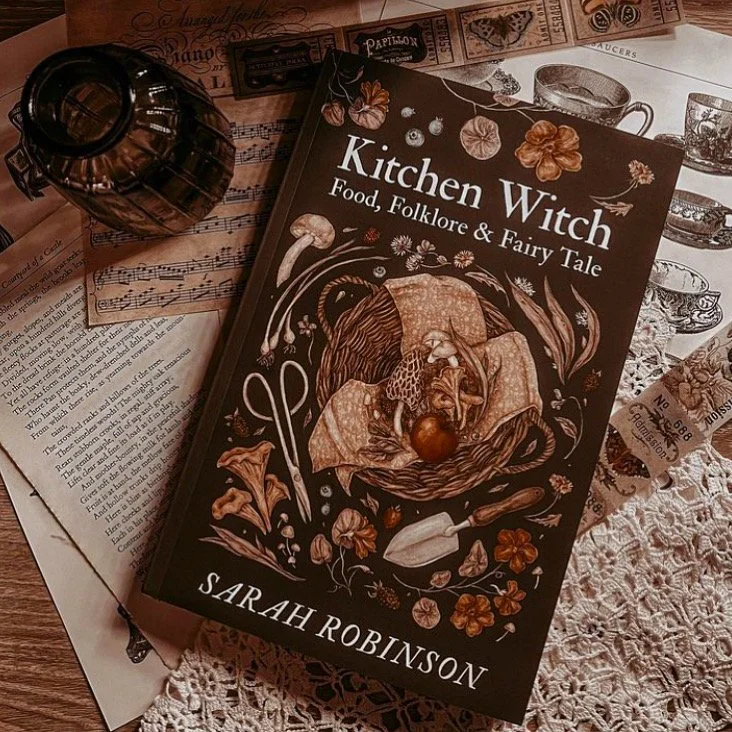
A lovely pic of Kitchen Witch from reader @persephone.hawker

It is such a thrill to say the Kitchen Witch is now Award Winning! Voted Coziest book of 2022 by the enchanting All things Cozy Podcast!
Kitchen Witch Readings
Video Resources
Further Reading Resources
Tea-Cup Reading and Fortune-Telling by Tea Leaves, by a Highland Seer, First written in the year 1881.
The Finnish Epic Kalevala - Featuring beer, bees and goddesses, first Published around 1835, the Kalevala is drawn from collections of oral folktales.
The Language of Flowers, particularly popular in Victorian England. Endlessly fascinating
Chocolate, Sex, and Disorderly Women in Late Seventeenth and Early Eighteenth-Century Guatemala by Professor Martha Few. Bewitching and Intriguing research.
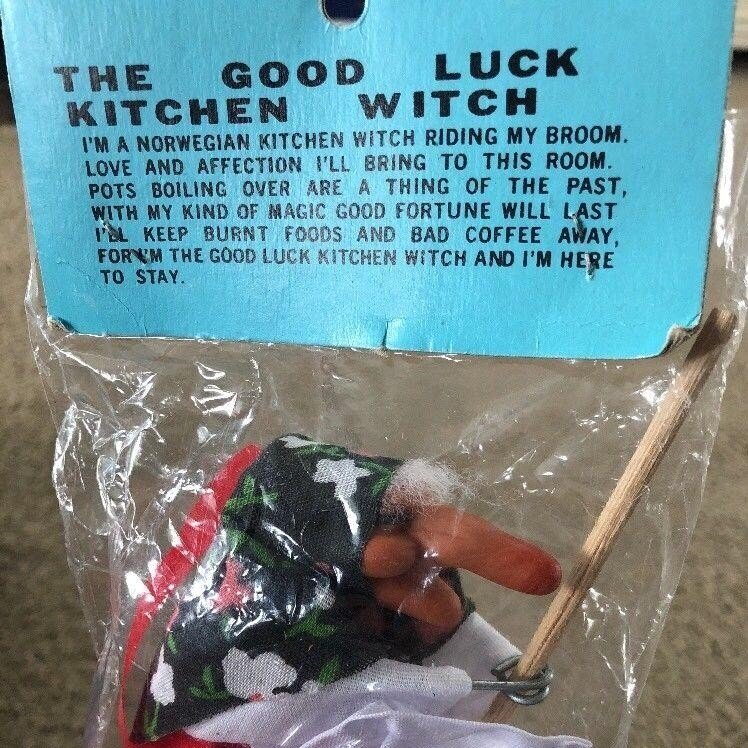
Vintage Kitchen Witches
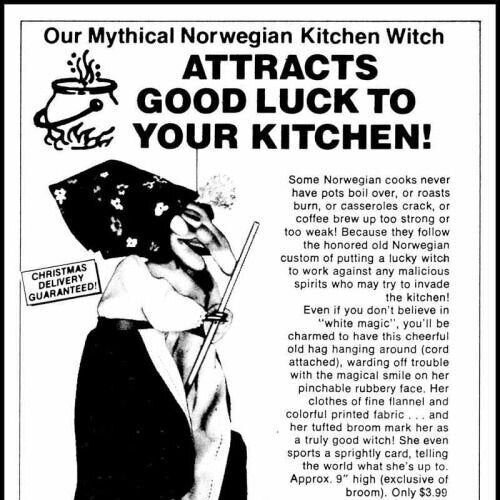
Older Kitchen Witches
The naming of the Kitchen Witch may be a relatively recent affair, but see how the idea of the witches kitchen and the witch watching over the hearth and home goes back far further…

Illustration to Shakespeare's Macbeth, the three witches around a cauldron. 1806.

A Witches' Kitchen by Jacques de Gheyn II around 1600

Postcard from 1910, printed in Saxony of witch knitting by the hearth fire.
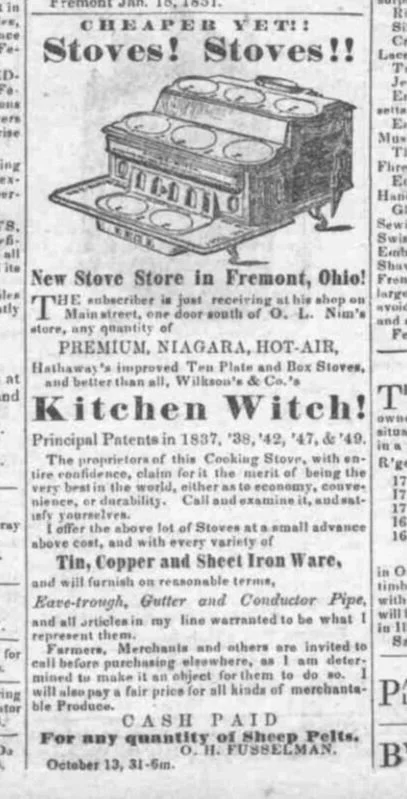
Kitchen Witch Stoves were sold in Canada and America, this newspaper clipping is from 1850 - clearly intending to present a positive ‘magic’ of the stove, even though one might still fear claiming the title themselves.
In countries such as Australia and England, if one claimed to be able to use magical powers (or use fortune-telling, astrology and spiritualism) they risked fines or imprisonment. This law was in place from 1736 right up to 1951, (the moment it became legal to do so, founder of Wicca Gerald Gardner declared publicly that he was a witch and shortly after published Witchcraft Today)